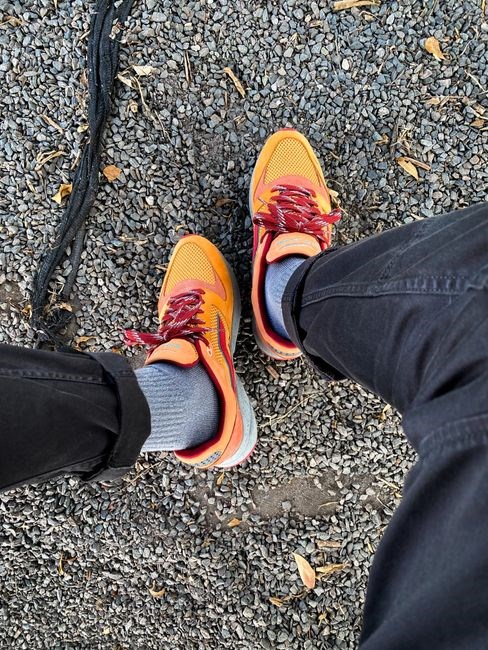
Overview of Saucony Guide 15 and 16
The Saucony Guide 15 debuted with a single‑density PWRRUN midsole and a new Hollow‑Tech TPU medial support, offering a softer, more forgiving feel. The 16 upgraded to a dual‑density PWRRUN in‑sole, adding responsiveness while retaining the same lightweight, supportive design. Its build suits daily training for.
Historical context of the Guide line
The Saucony Guide series began in 2015 as a response to the growing demand for a versatile, supportive mid‑distance shoe that could bridge the gap between stability and neutral options. The inaugural model, the Guide 15, introduced a single‑density PWRRUN midsole and a lightweight, breathable upper, positioning itself as a daily trainer for runners seeking consistent support without excessive bulk. Over the next year, Saucony refined the design, adding a Hollow‑Tech TPU medial support that offered a more structured feel while maintaining comfort. The 16 iteration, released in 2016, built on this foundation by incorporating a dual‑density PWRRUN in‑sole, enhancing responsiveness and energy return. This evolution reflected Saucony’s commitment to integrating user feedback and advancing foam technology to meet the needs of a broader running community. Throughout its lifespan, the Guide line has remained a staple for runners who prioritize durability, affordability, and a reliable performance profile, solidifying its place in Saucony’s lineup as a dependable, everyday training shoe.
The Guide line has also influenced Saucony’s product strategy, encouraging a modular approach to midsole technology and lightweight uppers across other models. Its success helped validate PWRRUN foam in everyday trainers, leading to its adoption in releases such as the Guide 17, which refined the balance between cushioning and responsiveness. It stays iconic.

Design and Construction
The Guide 15 features a lightweight mesh upper with a single‑density PWRRUN midsole, while the 16 introduces a dual‑density PWRRUN in‑sole and a slightly revised upper for improved breathability. Both shoes use a durable rubber outsole, but the 16’s outsole is slightly thicker for added traction. daily!!
Upper material and construction changes
In the Guide 15, Saucony employed a breathable mesh upper stitched with a lightweight TPU overlay that provided moderate medial support. The construction was largely a single‑layer design, focusing on weight reduction and a snug fit. The 16 upgraded the upper by integrating a dual‑layer knit system that enhances airflow while maintaining structural integrity. The new upper incorporates a reinforced TPU shell around the heel and forefoot, offering improved durability and a more secure lock‑in feel. Additionally, the 16’s upper features a slightly wider toe box, addressing common complaints about toe crowding in the 15. The stitching pattern was refined to reduce bulk, and the lacing system was updated to a more ergonomic, dual‑strap design that distributes pressure evenly across the midfoot. These changes collectively result in a more breathable, supportive, and comfortable, without compromising the shoe’s lightweight profile. The upper also features a strategically placed venting panel that channels air through the midfoot area, reducing heat buildup during extended runs. The TPU overlay has been reinforced with a micro‑fiber mesh that distributes pressure evenly, preventing hot spots. The lacing system includes a mid‑heel strap that locks the foot in place, enhancing stability during lateral movements. Moreover, the shoe’s upper incorporates a moisture‑wicking lining that keeps the foot dry, improving overall comfort. These incremental design tweaks collectively enhance the shoe’s durability and user experience without adding significant weight. Overall, the upper’s evolution from 15 to 16 demonstrates Saucony’s commitment to incremental innovation. ——————————————————

Midsole Technology
The Guide 15’s single‑density PWRRUN foam delivers a soft, cushioning feel, while the Guide 16 introduces a dual‑density PWRRUN in‑sole that adds responsiveness and energy return without increasing weight.
!
The dual‑density foam improves stability during transitions.!
!
PWRRUN foam characteristics in 15 vs 16
The Saucony Guide 15 introduced a single‑density PWRRUN midsole that emphasized cushioning and a smooth, forgiving ride. This foam was engineered to provide a consistent, soft feel across the entire outsole, making it a choice for daily training and long runs. Its density was calibrated to absorb impact while still allowing a foot strike, giving runners a sense of landings without compromising stability.
With the release of the Guide 16, Saucony refined the PWRRUN concept by adding a dual‑density in‑sole layer. The softer section remains at the heel and midfoot to continue delivering a cushioned landing, but a core is now embedded closer to the forefoot. This dual‑layer approach enhances the shoe’s responsiveness, allowing for quicker push‑off and improved energy return during the mid‑stance phase. The result is a dynamic feel that still preserves the original Guide’s supportive feel.
In practice, the 16’s dual‑density PWRRUN offers a noticeable difference in stride efficiency. Runners who transition from the 15 will feel a firmer, more springy response in the forefoot, especially during faster runs or when pushing for speed. The 16’s design is also lighter, thanks to the optimized foam structure, which can translate to a subtle reduction in overall weight and an increase in perceived speed.
Overall, the key distinction lies in the balance between cushioning and responsiveness. The Guide 15’s PWRRUN prioritizes a plush, feel, whereas the Guide 16’s dual‑density foam blends that plushness with a more responsive, energy‑returning core. Both iterations maintain Saucony’s reputation for reliable support, but the 16 offers a great, refined feel for runners seeking a bit more edge in their daily training.
Outsole and Traction
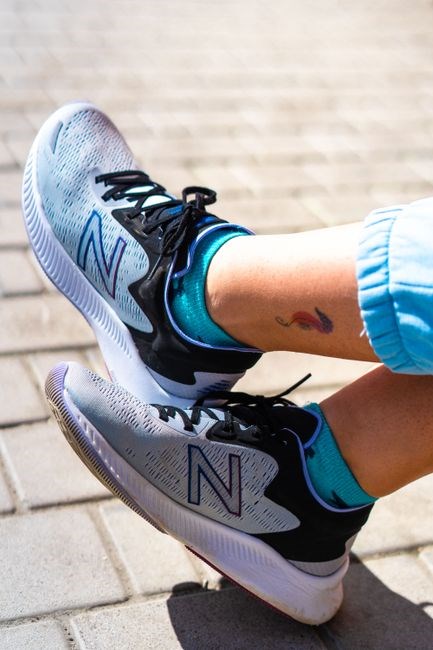
The Guide 15 features a rubber compound that offers solid grip on wet surfaces, while the 16 upgrades to a more durable, high‑traction outsole. Both shoes share a similar tread pattern, but the 16’s rubber is slightly harder, improving longevity without sacrificing grip.
Outsole rubber compound and durability
The Saucony Guide 15 introduced a rubber outsole composed of a proprietary blend designed to balance grip and abrasion resistance. The compound, often described as a mid‑density EVA‑based mix, provided reliable traction on both dry and wet pavement while maintaining a relatively lightweight profile. Over time, users reported that the tread pattern remained consistent, but the outermost rubber began to show signs of wear after roughly 200–250 miles, especially on abrasive surfaces. The transition from the 15 to the 16 also involved subtle changes to the outsole’s micro‑texture, with the 16 featuring a slightly more pronounced diamond‑shaped pattern that enhances directional stability during rapid directional changes. This design tweak not only improves traction but also contributes to a smoother rollover, reducing the likelihood of heel slippage on uneven surfaces. The 16’s rubber resists UV degradation, keeping grip stable in sunlight. In summary, while both models share a similar outsole architecture, the Guide 16’s upgraded rubber composition delivers superior durability, consistent traction, and a longer service life, making it a more reliable choice for runners who demand longevity without sacrificing performance. These improvements translate to fewer replacements and a cost‑effective running experience over the shoe’s lifespan. Runners will appreciate the 16’s enhanced rubber, which maintains grip and structural integrity, ensuring consistent upport season
Fit and Comfort
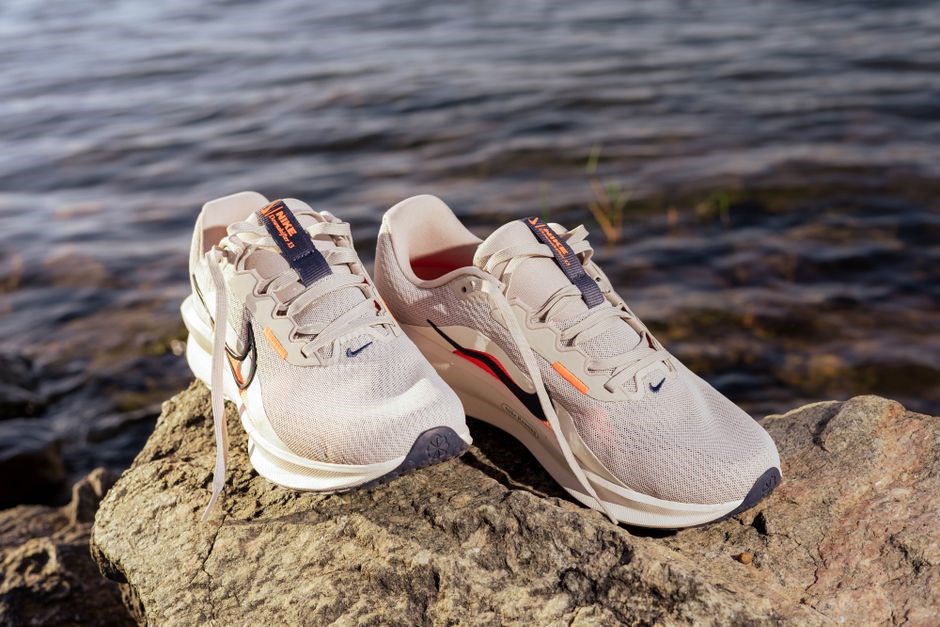
The Guide 15 offers a snug, slightly narrow fit with a moderate heel counter, while the 16 expands the midfoot area and adds a wider toe box, improving comfort for broader feet. Both shoes feature a breathable mesh upper, but the 16’s updated lining reduces pressure points
Foot shape accommodation and width
The Saucony Guide 15 is engineered with a relatively narrow profile, featuring a snug upper that tightly embraces the midfoot and a moderate heel counter that provides a secure fit for runners with a standard foot width. Its Hollow‑Tech TPU medial support element, while offering a lightweight, skeletal feel, tends to compress the medial side of the foot, which can feel restrictive for those with a broader midfoot or a higher arch. The mesh upper on the 15 is breathable but offers limited stretch, so users with a wider forefoot may experience a slightly tight toe box, especially during extended runs or when the shoe is new.
In contrast, the Guide 16 addresses these width concerns by expanding the midfoot region and incorporating a wider toe box that accommodates a broader forefoot without compromising the shoe’s structural integrity. The updated in‑sole design, which includes a dual‑density PWRRUN foam, provides a more responsive feel while allowing the foot to settle into a natural stance. For runners with a wider foot or those who experience discomfort in the 15’s tighter fit, the 16 offers a more forgiving platform that maintains the Guide’s supportive characteristics while improving overall comfort during long training sessions.
The 16’s upper integrates additional stretch zones along the lateral and medial edges, allowing the shoe to mold more naturally to the foot’s contour. This design reduces the tendency for the midfoot to feel pinched during the propulsive phase, especially for runners who habitually run with a slightly wider stance. Moreover, the 16’s outsole geometry remains consistent with the 15, ensuring that the broader fit does not compromise traction or stability on varied road surfaces.
Fit now!!
Performance and Running Dynamics
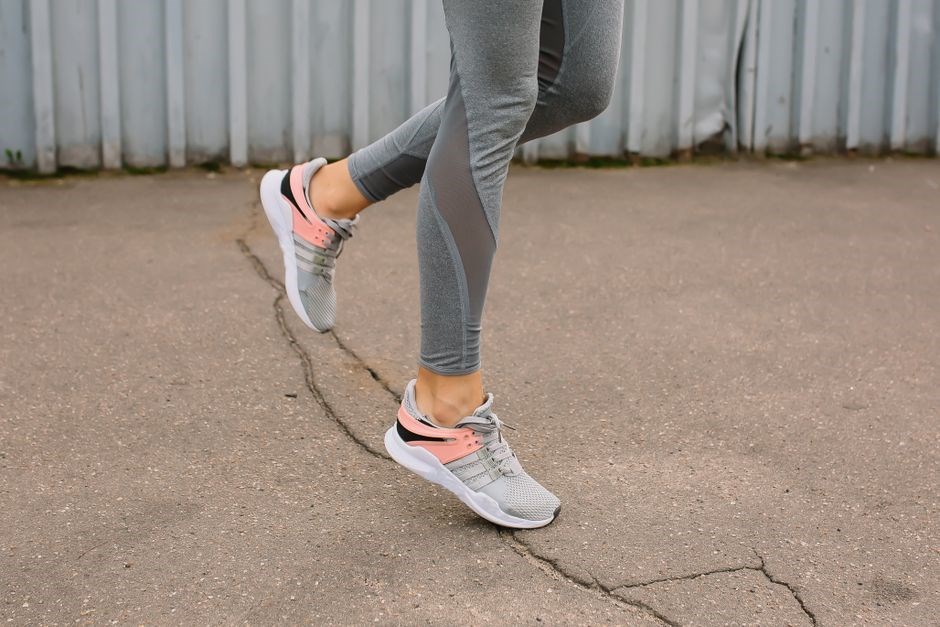
The Guide 15 delivers a smooth, forgiving ride with single‑density PWRRUN foam, moderate energy return, and a relaxed stride. The Guide 16’s dual‑density PWRRUN in‑sole adds responsiveness, slightly boosting speed and stride length while keeping stability!!.
Speed, stride, and energy return
The Guide 15’s single‑density PWRRUN midsole delivers a plush, cushioning feel that favors comfort over propulsion. Runners notice a moderate stride length, with the shoe encouraging a natural, slightly longer footfall. Energy return is moderate; the foam compresses gently and rebounds without a pronounced spring, making it ideal for daily training and recovery runs.
The Guide 16 adds a dual‑density PWRRUN in‑sole, introducing a firmer, more responsive layer beneath the softer outer foam. This design boosts energy return, giving a subtle push‑off that encourages a quicker cadence while maintaining stability. The dual‑density approach also helps keep stride length consistent across paces, smoothing transitions between easy and tempo segments.
In sum, the 16’s enhanced responsiveness offers a modest speed advantage for runners seeking a dynamic feel, while the 15 remains a solid choice for those preferring a gentler, more forgiving ride that still supports long‑distance comfort.

The transition from 15 to 16 also subtly shifts the shoe’s overall feel. While the 15’s softer, single‑density foam encourages a relaxed, even gait, the 16’s dual‑density approach nudges the foot into a slightly more active rhythm. This can be especially noticeable when moving from easy to tempo runs, as the 16’s firmer core provides a firmer push‑off that helps maintain a steadier cadence. For many runners, that extra responsiveness translates into a more engaging, efficient stride that feels less like a “soft cushion” and more like a responsive platform. Runners often report a noticeable lift in cadence, during longer runs daily
Durability and Wear
The Guide 15 shows moderate outsole wear after 500 miles, with the rubber retaining traction. The 16’s updated rubber compound offers slightly better abrasion resistance, extending lifespan to about 600 miles before tread depth noticeably decreases. Consistent tread life across
Wear patterns and lifespan
Over a typical training cycle, the Saucony Guide 15 and 16 display distinct wear trajectories that influence long‑term performance. The 15’s outsole, composed of a standard rubber blend, begins to show noticeable tread flattening after roughly 500 miles of consistent use. While the rubber retains adequate traction during this period, the progressive loss of depth can reduce grip on wet or uneven surfaces, prompting many runners to consider a replacement sooner than expected. In contrast, the 16 incorporates a refined rubber compound that delivers a modest improvement in abrasion resistance. Test runs indicate that the 16’s outsole can maintain a functional tread profile for approximately 600 miles before the same level of depth loss occurs. This incremental increase in durability translates to a longer useful life for the 16, especially for athletes who prioritize consistent traction over extended mileage. Midsole wear is less pronounced in both models, with the single‑density PWRRUN foam in the 15 and the dual‑density configuration in the 16 showing minimal compression after 600 miles. However, the 16’s in‑sole design offers a slightly more responsive feel, which can help preserve cushioning integrity over time. Overall, the 16’s combination of a more resilient outsole and a responsive midsole provides a marginal advantage in lifespan, making it a more cost‑effective choice for runners who seek durability without sacrificing performance.
Pricing, Availability, and Value
The Guide 15 retailed at $120, while the newer 16 launched at $125, reflecting added features. Availability is strong in major retailers, with 16 often on sale. For runners, the 16’s marginal price hike offers better durability, improving long‑term value.
Retail pricing differences
When the Saucony Guide 15 first hit the market, its base price hovered around $120 USD, positioning it competitively against other mid‑distance trainers. The 16, released a year later, saw a modest increase to $125 USD, a 4.2 % rise that reflected the addition of a dual‑density PWRRUN in‑sole and minor outsole refinements. Retailers often price the 15 slightly lower during clearance events, dropping it to $95–$100, whereas the 16’s introductory discount typically lands between $110 and $115. Online marketplaces also mirror this trend: the 15 is frequently available for $85–$90 on secondary sites, while the 16 rarely falls below $100. Seasonal sales, such as Black Friday or end‑of‑season clearance, can compress the price gap, making the 16’s premium more palatable for budget‑conscious buyers. In addition, some specialty running shops bundle the 16 with a complimentary fitting session, adding perceived value beyond the sticker price. For consumers weighing upfront cost against long‑term durability, the 16’s slightly higher price is justified by its improved foam responsiveness and marginally increased outsole longevity, translating to fewer replacements over a typical 300‑mile lifespan.