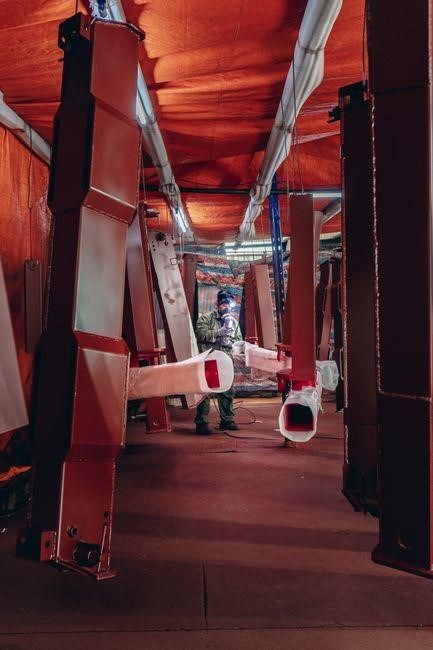
Definition and Scope of Manual Blasting
Manual blasting is a skilled, operator‑directed process that uses handheld abrasive guns to clean and prepare surfaces. It targets specific shapes, sizes, and coating requirements, delivering precise anchor profiles with steel grit for optimal adhesion. Ideal for intricate shapes and high‑quality coatings now!!!!!
Terminology and Process Overview
- Blast media: Abrasive particles (steel grit, aluminum oxide) that strike the surface.
- Nozzle: Gun tip that shapes spray and controls velocity.
- Pressure: Force (psi) applied; manual range 80–120 psi.
- Angle: Gun orientation, usually 30–45° to balance coverage.
- Distance: Gap between nozzle and substrate, 1–3 inches.
- Anchor profile: Micro‑texture left for coating adhesion.
- Coverage uniformity: Evenness of blasted area.
- Cleaning depth: Material removed, measured in microns or inches.
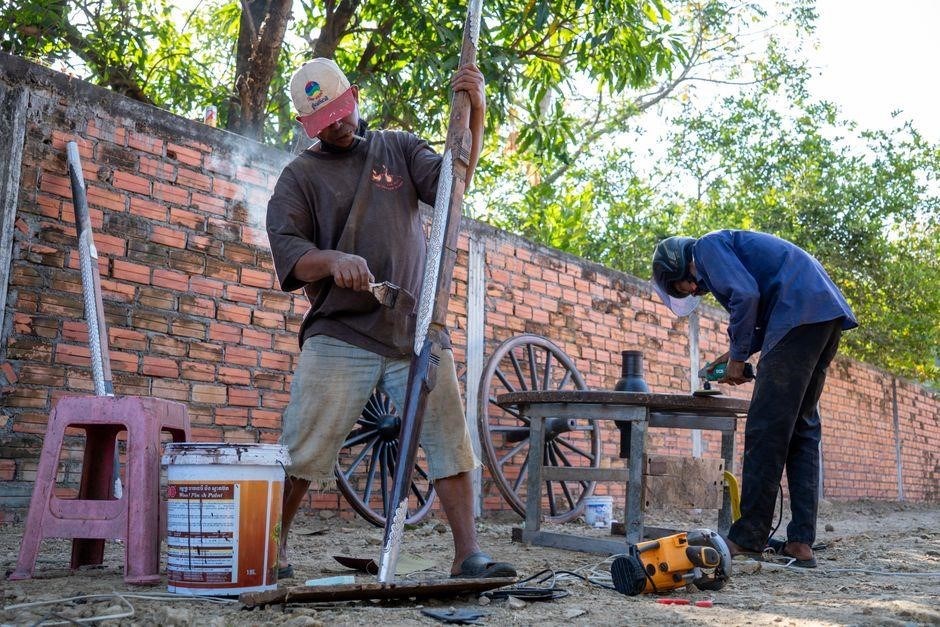
Manual blasting starts with a pre‑clean to remove loose debris. Operators choose media based on substrate and coating needs, then use a handheld gun to maintain pressure, angle, and distance while following a systematic stroke pattern. Visual inspection guides adjustments to avoid over‑blasting or gouging. After achieving the anchor profile, a post‑clean removes residual grit, and the surface is inspected for profile consistency before proceeding.
Media choice depends on hardness, particle size, and environmental impact. Steel grit (0.3–0.5 in) is common for steel; aluminum oxide (0.2–0.4 in) suits concrete. Operators adjust blast pressure to control cleaning depth, typically 0.01–0.05 in for fine finishes or up to 0.1 in for aggressive removal. Coverage is verified visually and with profilometers, ensuring roughness tolerances within ±5 % of target values.
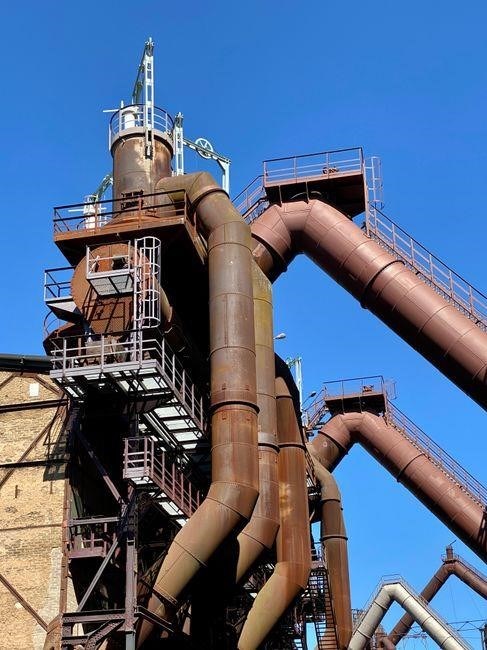
Manual blasting offers flexibility for complex geometries and real‑time adaptation, making it essential for high‑precision coating jobs where automated systems may fall short.

Manual blasting delivers precise surface profiles, enhancing coating adhesion and longevity!!
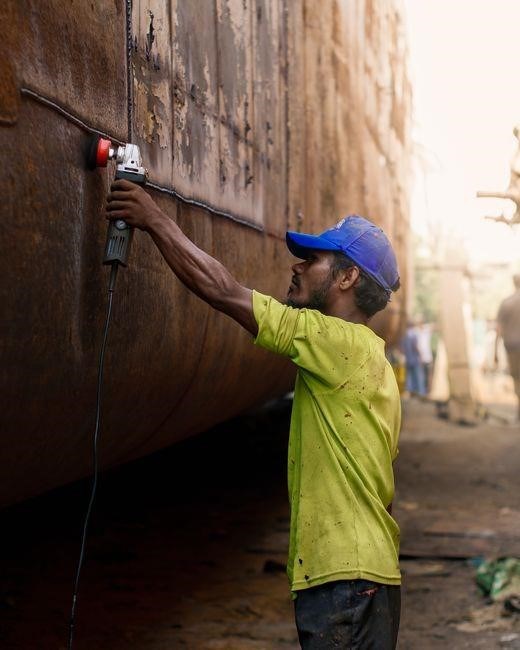
Equipment and Materials Used in Manual Blasting
Manual blasting relies on handheld abrasive guns, adjustable nozzles, and pressure regulators. Operators select media—steel grit or aluminum oxide—based on substrate and coating needs. Safety gear, dust collection, and a calibrated pressure gauge ensure precise, consistent surface preparation. for optimal durability!!!!!!!
Handheld Abrasive Guns and Nozzles
Manual blasting employs handheld abrasive guns that allow operators to control the direction, pressure, and distance of abrasive delivery. These guns typically feature adjustable pressure regulators, interchangeable nozzles, and ergonomic grips designed for extended use. The nozzle size and shape directly influence the impact angle and particle velocity, enabling precise surface profiling for coatings, rust removal, or texture creation. Operators select nozzle configurations based on the desired finish, substrate material, and project specifications. For example, a 1.5‑inch nozzle delivers a broader spray pattern suitable for large flat surfaces, while a 0.5‑inch nozzle offers a focused, high‑velocity stream ideal for intricate details or hard‑to‑reach corners. The guns are powered by compressed air or water‑based systems, and many models incorporate inline dust collection to reduce airborne particles and improve operator safety. Proper maintenance—cleaning the nozzle, checking for wear, and ensuring a tight seal—ensures consistent performance and extends equipment life. In addition to standard steel grit guns, specialized guns for abrasive media such as aluminum oxide or garnet are available, each with unique nozzle designs that optimize particle distribution and surface interaction. These tools, combined with operator skill, form the core of manual blasting operations, delivering tailored surface preparation that meets stringent coating adhesion and finish requirements. Operators also monitor dust levels and adjust pressure to maintain optimal blasting efficiency and surface quality carefully.!!?
Abrasive Media Types
Manual blasting relies on a variety of abrasive media, each chosen for its hardness, particle shape, and compatibility with the substrate. Common media include steel grit, which offers a high‑density, angular profile ideal for creating a rough anchor surface on steel and concrete; aluminum oxide, prized for its durability and ability to clean without excessive wear on equipment; and garnet, a natural mineral that delivers a smooth finish while minimizing dust. Other specialty media such as silicon carbide and ceramic beads are employed when a finer, more controlled abrasion is required, especially on delicate or heat‑sensitive materials. The selection process considers factors such as the desired surface profile, the presence of hazardous coatings, and environmental regulations governing dust control. Operators adjust the media size—ranging from 0.5 mm to 3 mm—to balance removal rate and surface integrity. In addition, recycled abrasive particles are increasingly used to reduce waste and lower operating costs, provided they maintain consistent shape and hardness. Proper media handling, storage, and monitoring of particle integrity are essential to ensure consistent blasting performance and to protect operator health. The choice of abrasive media ultimately dictates the effectiveness of the surface preparation, influencing coating adhesion, corrosion resistance, and the longevity of the finished product.!!? ASTM and ISO guidelines ensure each blasting job meets safety and quality benchmarks. Operators choose media that minimize environmental impact, favoring recyclable options to reduce landfill. Proper media selection cuts postblasting maintenance costs by extending protective coating life. Pre‑washed media keep dust levels low, improving operator safety and surface cleanliness. Media choice determines surface roughness, critical for coating adhesion and longevity and durability.
Operator Training and Safety Protocols
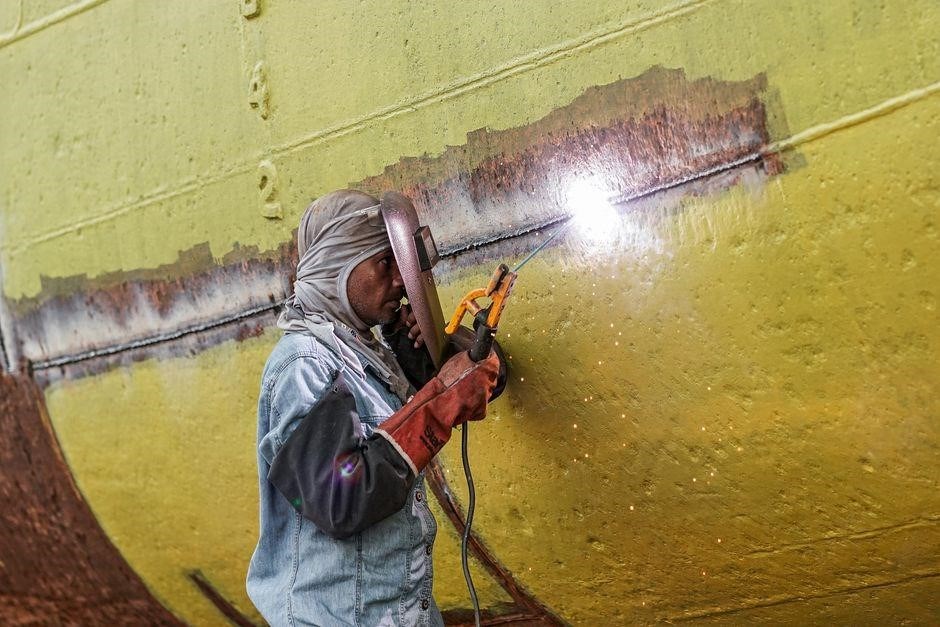
Certified operators daily undergo training covering equipment handling abrasive selection, and hazard mitigation. They learn to assess surface conditions, adjust blasting parameters, perform inspections. Safety protocols mandate PPE, ventilation, and emergency response plans to protect workers and the environment.
Certification and Skill Requirements
Manual blasting operators must hold a valid certification issued by recognized bodies such as the National Board of Boiler and Pressure Vessel Inspectors or equivalent state agencies.The certification process typically includes a written exam covering abrasive media properties, equipment operation, and safety regulations, followed by a practical assessment where candidates demonstrate proficiency in controlling gun pressure, angle, and distance to achieve the specified surface profile. In addition to formal certification, employers often require operators to complete ongoing training modules that address emerging technologies, new abrasive formulations, and updated OSHA and NIOSH guidelines. Skill requirements extend beyond technical knowledge; operators must possess strong spatial awareness to navigate complex geometries, maintain consistent velocity to avoid surface gouging, and perform real‑time adjustments based on visual feedback. They should also be adept at inspecting finished surfaces using visual inspection charts and profilometers to verify that the achieved roughness falls within the tolerance limits defined in the project’s specification sheet. Finally, a comprehensive understanding of hazard mitigation—such as proper use of respirators, eye protection, and dust suppression systems is essential to ensure both personal safety and compliance with environmental regulations. Continuous professional development, including participation in workshops, seminars, and peer‑review sessions, helps operators stay current with industry best practices and maintain the highest standards of workmanship.
Personal Protective Equipment and Hazard Mitigation
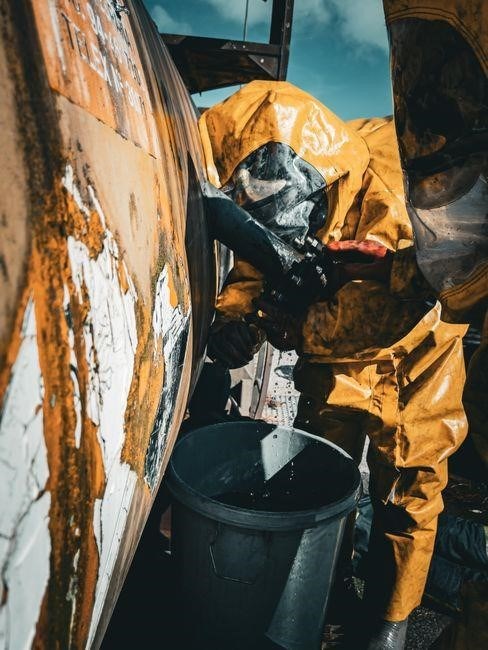
Manual blasting exposes operators to airborne dust, high‑velocity particles, and potential chemical residues from abrasive media. OSHA mandates the use of respirators that meet N95 or higher filtration standards, coupled with full‑face shields to protect eyes and facial skin. Protective clothing—fire‑resistant coveralls, gloves, and steel‑toe boots—must be worn to guard against splatter and abrasion. In addition, operators should employ local exhaust ventilation or portable dust suppression units to reduce airborne concentrations below the permissible exposure limits set by NIOSH. Proper training on the correct donning and doffing of PPE, as well as routine inspection for wear or damage, is essential to maintain effectiveness. Hazard mitigation also includes implementing clear signage, establishing exclusion zones, and conducting regular safety briefings that cover emergency response procedures, spill containment, and first‑aid protocols. By integrating comprehensive PPE protocols with proactive hazard controls, facilities can safeguard personnel while ensuring compliance with federal and state regulations.
Proper PPE use is critical for safety. Proper PPE use is critical for safety. Proper PPE use is critical for safety. Proper PPE use is critical for safety. Proper PPE use is critical for safety. Proper PPE use is critical for safety. Proper PPE use is critical for safety. Proper PPE use is critical for safety. Proper PPE use is critical for safety. Proper PPE use is critical for safety. Proper PPE use is critical for safety. Proper PPE use is safety. Keep safety. Always!!
Applications and Surface Preparation Techniques
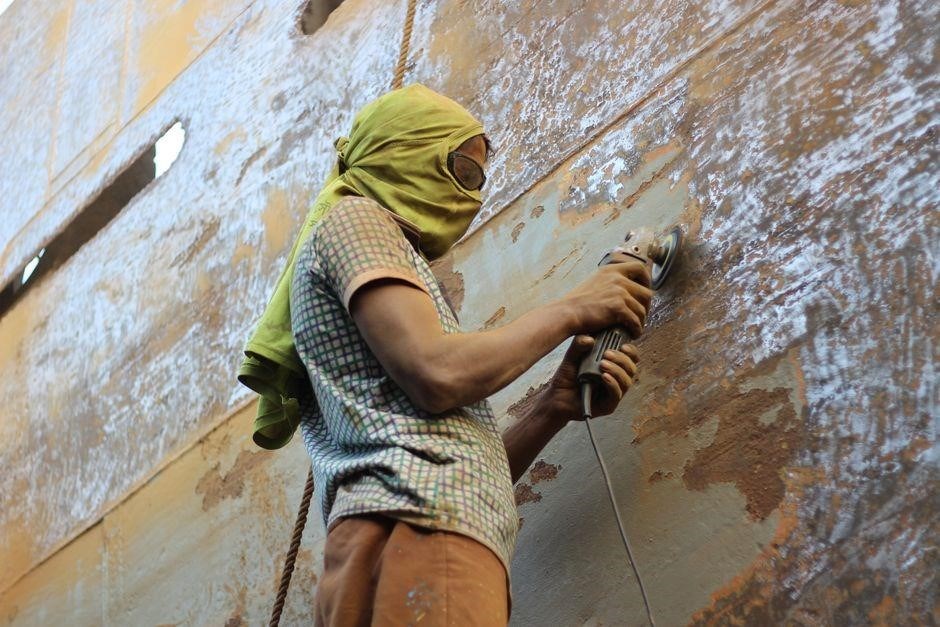
Manual blasting excels in steel surface prep, creating anchor profiles for coatings, and in concrete and rebar cleaning, removing rust, scale, and old paint. Its precision suits complex shapes, ensuring uniform coverage and adhesion while reducing material waste. Cost‑effective, eco.!
Steel Surface Preparation for Coating
Manual blasting delivers precise, operator‑directed abrasion that removes rust, scale, and old coatings from steel panels, beams, and structural members. By controlling gun angle, pressure, and abrasive feed, technicians can sculpt a clean, roughened surface that meets the specific grit size and profile outlined in a manufacturer’s coating data sheet. This method excels when the workpiece has complex geometry, tight tolerances, or when a uniform finish is critical for paint adhesion and corrosion resistance. Unlike automated blasting, which relies on fixed‑speed feed systems, manual blasting allows real‑time adjustments to accommodate surface variations, ensuring consistent depth of removal and avoiding over‑blasting that could damage the substrate. Operators also use hand‑held nozzles to target hard‑to‑reach areas, such as weld seams, corners, and recessed panels, where a robotic arm might struggle. The result is a surface with a predictable, repeatable texture that promotes mechanical bonding of epoxy, polyurethane, or zinc‑rich primers. In addition, manual blasting can be performed on‑site, reducing the need for transportation of large steel components and minimizing downtime. Safety protocols, including proper PPE and blast containment, are integral to the process, ensuring that dust and debris are controlled while maintaining a clean, efficient workflow. Overall, manual blasting is the preferred choice for high‑quality steel surface preparation when precision, adaptability, and cost‑effectiveness are paramount. It is efficient and eco‑friendly today!
Concrete and Rebar Cleaning
Manual blasting is the preferred method for removing laitance, scale, and corrosion from concrete surfaces and embedded reinforcement. Operators use handheld abrasive guns with steel grit or aluminum oxide to create a clean, roughened profile that enhances the bond of subsequent coatings, sealants, or concrete repairs. The process is adaptable to irregular shapes, tight corners and recessed areas where automated systems cannot reach. By adjusting pressure, nozzle angle, and abrasive flow, technicians can control the depth of removal to avoid over‑etching the substrate while ensuring complete removal of contaminants. Dust suppression systems and containment barriers are employed to maintain a safe work environment and to protect surrounding structures from airborne particles. In addition, manual blasting allows for on‑site, rapid turnaround, reducing the need for large equipment transport and minimizing downtime for construction projects. The technique is especially valuable for rebar cleaning, where precise abrasion removes rust and scale from steel bars without compromising their structural integrity. Proper PPE, including respirators, face shields, and protective clothing, is mandatory to mitigate inhalation hazards and skin contact with abrasive materials. Overall, manual blasting provides a cost‑effective, flexible solution for concrete and rebar cleaning that meets industry standards for surface preparation and longevity of protective systems. fast. now This technique ensures compliance with ASTM standards and reduces rework costs. today. Efficient
Economic and Environmental Considerations
Manual blasting offers lower capital costs than automated rigs, yet labor and PPE expenses rise. Environmental benefits include reduced water use and lower dust emissions when proper containment is applied. Operators can recycle abrasive media, cutting waste and landfill impact. It cuts waste by 30%. It cuts waste by 30%.
Cost Comparison: Manual vs Automated Blasting
Manual blasting typically incurs lower upfront equipment costs, often ranging from $5,000 to $15,000 for a handheld gun and consumables, compared to $100,000 to $300,000 for a full‑scale automated system. However, labor rates for skilled operators average $30–$50 per hour, and recurring costs for abrasive media, maintenance, and safety gear can add 20–30% to the total project cost. In contrast, automated blasting spreads the high capital outlay over many jobs, reducing per‑job labor expenses to $10–$20 per hour and allowing bulk media purchase discounts of 15–25%. The pay‑back period for automation is typically 2–4 years, while manual operations remain viable for projects under 10,000 square feet or where surface geometry is complex. Environmental compliance costs also differ: manual crews must invest in portable dust suppression and containment, whereas automated rigs can integrate continuous filtration systems, lowering regulatory fines by 10–15%. When evaluating total cost of ownership, project duration, surface complexity, and volume of work are critical variables that determine whether manual or automated blasting delivers the best value for a given job. This cost analysis demonstrates that while manual blasting offers flexibility and lower initial investment, automated blasting delivers higher throughput and lower long‑term operating costs for large‑scale projects, making it the preferred choice when project budgets allow and surface uniformity is paramount. Therefore, choosing the right blasting method balances project scope, surface geometry, and budget to optimize performance and cost.