
Manual Air Ride Valves: A Comprehensive Overview
Manual air ride valves, like Schrader and paddle valves, offer a simple, cost-effective way to control air suspension systems, providing basic height adjustments for vehicles․
What is Air Ride Suspension?
Air ride suspension represents a significant advancement over traditional steel spring systems, replacing them with air springs – essentially, durable air chambers․ This innovative approach delivers a remarkably smoother and more comfortable ride quality, as vehicles effectively “float” on a cushion of air, absorbing road imperfections with greater efficiency․
Unlike rigid metal springs, air suspension allows for adjustable ride height and leveling capabilities․ Systems equipped with onboard air compressors and height-control valves, like ECAS, automatically maintain a level and stable vehicle posture, even when carrying varying loads․ This adaptability is particularly beneficial for trucks and SUVs frequently subjected to heavy hauling․ Manual systems, utilizing valves, require driver intervention for adjustments․
The Role of Valves in Air Ride Systems
Valves are integral components within any air ride system, acting as the control center for air flow and pressure distribution to the air springs․ They dictate whether air is admitted, released, or held within the system, directly influencing ride height and overall vehicle stability․
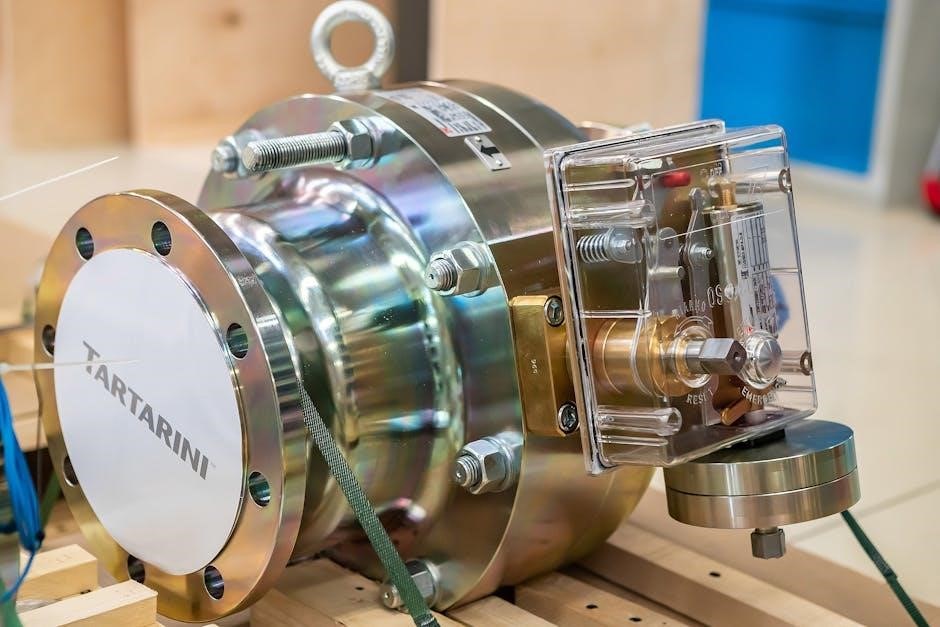
In manual setups, these valves – such as Schrader and paddle valves – require direct operator input to function․ They manage the release or admission of air, allowing for adjustments․ More sophisticated systems employ electric valves, controlled by switches, offering automated height control․ Proper valve selection, considering flow rate and corrosion resistance, is crucial for reliable performance and longevity of the entire air suspension system․

Types of Manual Air Ride Valves
Manual air ride valves primarily include Schrader valves – similar to tire valves – and paddle valves, requiring direct air line connections for operation and control․
Schrader Valves: The Basics
Schrader valves represent the most fundamental type of manual air ride valve, mirroring the design found in standard vehicle tires․ These valves are incredibly straightforward in their operation; they consist of a valve core that allows air to be added or released from the air spring system․
Essentially, they function as a simple on/off switch for air pressure․ Adjustments are made by manually depressing the valve core with a tool, releasing air to lower the vehicle, or inflating with an air compressor to raise it․ While incredibly basic, their simplicity translates to high reliability and minimal cost․ They are often used as a starting point for those new to air ride or for systems where precise control isn’t a primary concern․ However, they require direct access for adjustments, making on-the-fly changes less convenient․
Paddle Valves: Manual Operation Explained
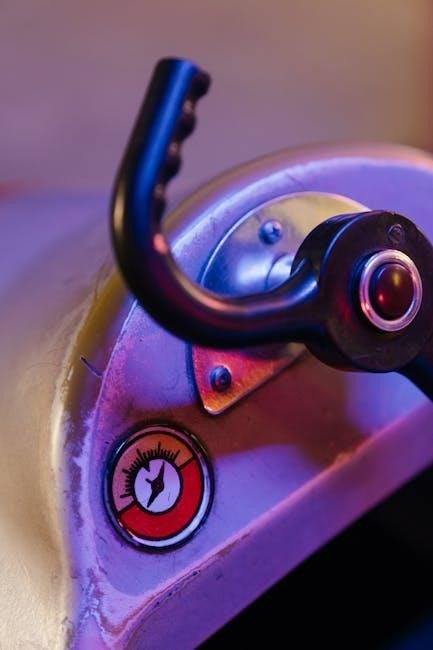
Paddle valves offer a more controlled manual air ride experience compared to Schrader valves․ They involve running air lines directly from the air tank to the air springs, with the paddle valve acting as the intermediary control point․ Operation is achieved by physically manipulating the paddle – rotating it allows air to flow into or out of the air springs․
This provides a degree of control over ride height, though it’s still entirely manual; Unlike Schrader valves requiring a tool, paddle valves allow for adjustments directly at the valve itself․ They are favored for their direct feel and relatively simple installation․ However, like Schrader valves, adjustments require physical effort and aren’t as convenient as electronic systems, demanding a more hands-on approach to air suspension management․

How Manual Air Ride Valves Work
Manual valves regulate airflow to air springs, controlling vehicle height․ Operation relies on physical manipulation to either admit or release compressed air, adjusting pressure․
Basic Operating Principles
Manual air ride valves function as the central control point for adjusting air pressure within the suspension system․ Unlike electronic systems, these valves require direct user input to operate․ Schrader valves, similar to tire valves, are opened and closed to add or release air, while paddle valves utilize a rotating mechanism to manage airflow․
The core principle involves manipulating the valve to connect or disconnect the air tank’s supply to the air springs (or air bags)․ Opening the valve allows compressed air to flow into the springs, increasing vehicle height․ Conversely, opening the valve to atmosphere releases air, lowering the vehicle․ This manual process provides a direct and tactile connection to the suspension’s behavior, offering a straightforward method for height adjustments․
Air Flow and Pressure Regulation
Manual air ride valves regulate air flow to maintain desired ride height and stability․ Air is supplied from a storage tank, and the valve controls its passage to the air springs․ The amount of air entering or exiting the springs directly impacts pressure, influencing the vehicle’s stance․
Paddle valves, with their manual operation, offer a degree of control over flow rate – a slower turn allows for gradual adjustments, while a quicker turn results in faster inflation or deflation․ Schrader valves provide a simpler on/off control․ Precise pressure regulation relies on the user’s skill and monitoring of gauges, ensuring optimal performance and preventing over-inflation or insufficient support․
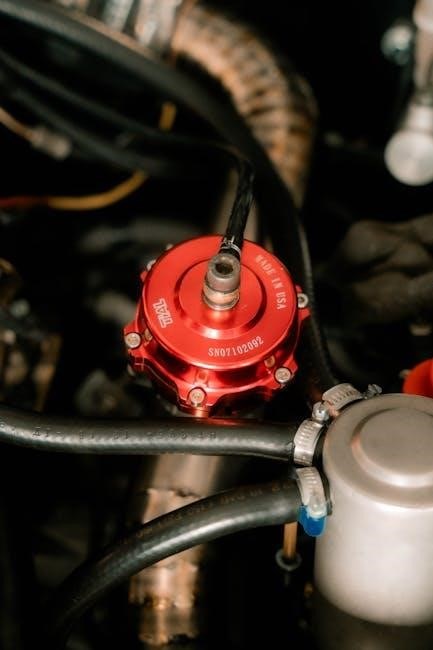
Installation Considerations for Manual Valves
Proper installation demands compatibility with existing air ride components, requiring appropriate fittings and air lines for secure connections and optimal system functionality․
Compatibility with Air Ride Components
Ensuring compatibility is paramount when integrating manual air ride valves into your vehicle’s existing system․ Valves must align with the air suspension’s pressure requirements and the air tank’s output․
Specifically, the thread sizes of the valves need to match the airline and fittings used throughout the setup․ Schrader valves, being similar to tire valves, generally offer broad compatibility․
Paddle valves, however, require careful consideration of airline diameters to prevent restrictions in airflow․
Furthermore, the valve’s material should resist corrosion from moisture within the air lines․ Incorrectly matched components can lead to leaks, reduced performance, and potential system failure, so meticulous checking is crucial․
Tools and Materials Required
Installing manual air ride valves demands a specific toolkit for a secure and functional setup․ Essential tools include Teflon tape for sealing threaded connections, adjustable wrenches to tighten fittings, and airline cutters for precise tubing lengths․
A drill might be necessary for mounting valves, alongside appropriate drill bits․ Materials needed encompass air lines compatible with your system, air fittings to connect components, and potentially, a compressor to fill the air tank․
Safety glasses are crucial for eye protection․ Having a small container to catch any residual air during disconnection is also advisable․ Proper preparation ensures a smooth installation process․
Advantages of Manual Air Ride Valves
Manual valves stand out due to their affordability and straightforward design, offering dependable performance without complex electronics, ensuring lasting reliability for vehicle owners․
Cost-Effectiveness
Manual air ride valves represent a significantly more budget-friendly entry point into the world of air suspension compared to their electronically controlled counterparts․ The simplicity of these valves directly translates into lower manufacturing costs, which are then passed on to the consumer․
Unlike systems requiring compressors, electronic control modules, and sophisticated sensors, manual setups primarily consist of the valves themselves, air lines, and potentially a basic air tank․ This minimal component count drastically reduces the initial investment․ For enthusiasts looking to experience the benefits of air ride – such as adjustable ride height and improved comfort – without breaking the bank, manual valves provide an accessible and practical solution․
This affordability makes them particularly appealing for first-time air suspension users or those on a tight budget, allowing them to enjoy a smoother ride and customizable vehicle stance without substantial financial strain․
Simplicity and Reliability
Manual air ride valves boast an inherent simplicity that directly contributes to their exceptional reliability․ With fewer components compared to electronic systems, there are fewer potential points of failure․ The absence of complex wiring, sensors, and control modules minimizes the risk of malfunctions caused by electrical issues or software glitches․
These valves operate on a straightforward mechanical principle – opening and closing air passages – making them less susceptible to wear and tear․ This robust design ensures consistent performance and longevity, even under demanding conditions․
Their uncomplicated nature also simplifies troubleshooting and maintenance, often requiring only basic tools and knowledge․ For those prioritizing dependability and ease of use, manual valves offer a trustworthy and long-lasting air suspension solution․

Disadvantages of Manual Air Ride Valves
Manual air ride valves require physical effort for adjustments and offer limited precision compared to electronic systems, lacking the convenience of on-demand control․
Limited Adjustability
Manual air ride valves, in their fundamental design, present inherent limitations regarding precise height control․ Unlike sophisticated electronic systems capable of minute adjustments with the flip of a switch, manual valves rely on the operator’s physical manipulation․ This translates to a less refined tuning experience, particularly when seeking specific ride heights or responding to dynamic load changes․
Achieving optimal leveling, especially under varying weight conditions, demands repeated adjustments and a degree of estimation․ The granularity of control simply isn’t present, making it challenging to maintain a perfectly level stance or quickly adapt to shifting cargo․ While sufficient for basic ride height modification, manual systems fall short when detailed and responsive air suspension management is desired․
Manual Effort Required
Manual air ride valves necessitate direct operator involvement for every height adjustment, a stark contrast to the convenience of automated systems․ Paddle valves, for instance, require physically running air lines and manipulating the valve itself to inflate or deflate air springs․ This hands-on approach, while offering a direct connection to the system, introduces a level of effort absent in electronically controlled setups․
Adjustments aren’t instantaneous; they demand time and physical exertion, potentially distracting the driver․ Repeated adjustments for load leveling or terrain changes can become cumbersome, especially during extended drives․ This contrasts sharply with onboard systems offering on-the-fly adjustments via a simple switch, highlighting the trade-off between cost and convenience․

Maintenance and Troubleshooting
Regular inspection and cleaning of manual air ride valves are crucial for optimal performance, addressing potential leaks or blockages to maintain system reliability․
Common Issues and Solutions
Manual air ride valves, while simple, can experience issues like air leaks, often stemming from worn Schrader valve cores or loose fittings on paddle valves․ These leaks reduce air pressure, impacting ride height and stability․ A straightforward solution involves tightening fittings or replacing the valve core with a new one․
Another common problem is valve blockage, hindering airflow and preventing proper height adjustment․ This can occur due to debris or moisture within the valve․ Disassembling the valve for cleaning, ensuring all ports are clear, usually resolves this․ For paddle valves, inspect the internal seals for damage and replace if necessary․ Consistent maintenance, including periodic inspection and cleaning, significantly minimizes these issues, ensuring reliable operation of your air ride system․
Valve Inspection and Cleaning
Regular inspection of manual air ride valves is crucial for optimal performance․ Begin by visually checking for any physical damage, such as cracks or corrosion, particularly on Schrader valves․ For paddle valves, examine the external housing and air line connections for leaks using a soapy water solution – bubbles indicate a breach․
Cleaning involves carefully disassembling the valve, following manufacturer guidelines․ Use compressed air to blow out any debris from internal ports and passages․ For Schrader valves, a valve core tool can remove the core for individual cleaning․ Ensure all components are completely dry before reassembly․ Periodic cleaning prevents blockages and maintains smooth operation, extending the lifespan of your manual air ride system․

Applications of Manual Air Ride Systems
Manual air ride systems are frequently found in trucks, SUVs, and custom builds like lowriders, offering adjustable ride height and improved vehicle aesthetics․
Trucks and SUVs
Manual air ride valves are a popular upgrade for trucks and SUVs seeking enhanced functionality and a smoother driving experience․ These systems allow owners to adjust ride height on demand, proving incredibly useful when hauling heavy loads or navigating challenging terrain․ By leveling the vehicle, manual valves maintain stability and prevent excessive squatting, improving overall control and safety․
The simplicity of manual systems appeals to many truck and SUV enthusiasts, offering a reliable alternative to more complex electronic setups․ Adjustments are made directly via the valves, providing a tactile and direct connection to the suspension․ This is particularly beneficial for those who frequently tow or carry varying cargo weights, enabling quick and easy adjustments to optimize performance and ride comfort․
Lowrider and Custom Vehicle Builds
Manual air ride valves hold a significant place in the lowrider and custom vehicle scene, prized for their direct control and traditional aesthetic․ These valves enable dramatic suspension adjustments, facilitating the signature “hopping” and static lowering synonymous with lowrider culture․ Builders appreciate the simplicity and reliability of manual systems, often integrating them seamlessly into custom interiors and engine bays․
Beyond lowriders, custom vehicle enthusiasts utilize manual valves for precise control over stance and ride height․ The ability to fine-tune suspension settings allows for achieving the perfect look and optimizing performance for car shows or spirited driving․ The hands-on nature of manual operation appeals to those who enjoy a direct connection with their vehicle’s mechanics and a classic approach to customization․