The Columbus Stormwater Drainage Manual (SWDM) establishes crucial stormwater control standards for all new development and redevelopment projects within the city limits.
This manual mandates post-construction stormwater controls, addressing both water quality and water quantity concerns, ensuring environmental protection and responsible urban planning.
Remember that the 2025 Manual is effective for designs submitted following August 26, 2025, reflecting the city’s commitment to updated best practices.
Purpose and Scope
The primary purpose of the City of Columbus Stormwater Drainage Manual (SWDM) is to establish comprehensive stormwater control requirements for all public and private land development and redevelopment initiatives. This ensures the long-term health and sustainability of Columbus’s waterways and infrastructure.
The scope of this manual encompasses all projects that alter the land surface, including construction, grading, paving, and building activities. It specifically addresses the need for post-construction stormwater management practices, focusing on both mitigating water quality impacts and controlling the volume and rate of stormwater runoff.
The SWDM aims to minimize erosion, sedimentation, and pollutant discharge into local streams and rivers, protecting aquatic ecosystems and preserving water resources. It also seeks to prevent flooding and property damage by effectively managing stormwater quantity. Adherence to this manual is vital for responsible development within the city.
Manual Updates and Effective Dates (2025 Manual)
The City of Columbus regularly updates its Stormwater Drainage Manual (SWDM) to incorporate the latest advancements in stormwater management techniques, regulatory changes, and best practices. These revisions ensure the manual remains a relevant and effective tool for protecting the city’s water resources.
The current 2025 Manual represents the most recent iteration of these guidelines. It’s crucial for developers, engineers, and contractors to be aware of these updates and implement them in their projects. Specifically, the 2025 Manual will be utilized for all designs submitted on or after August 26, 2025.
Prior to this date, designs may continue to reference previous versions of the SWDM, but transitioning to the 2025 standards is strongly encouraged. Information regarding potential future changes to the manual is welcomed and can be submitted for consideration.
Key Definitions (SCP ౼ Stormwater Control Practice)
Understanding the terminology within the Columbus Stormwater Drainage Manual (SWDM) is essential for proper implementation and compliance. A foundational term is SCP, which stands for Stormwater Control Practice. SCPs encompass a wide range of structural and non-structural methods designed to manage stormwater runoff.
These practices aim to mitigate the impacts of urbanization on water quality and quantity, protecting local streams and rivers. Examples of SCPs include detention basins, retention ponds, and infiltration practices, each serving a specific purpose in the stormwater management process.
The SWDM provides detailed guidance on the selection, design, and maintenance of appropriate SCPs based on site-specific conditions. Familiarity with these definitions ensures consistent application of the manual’s requirements and promotes effective stormwater management throughout the city.
Regulatory Framework
The Columbus Stormwater Drainage Manual operates within a robust regulatory context, primarily driven by NPDES requirements and the City of Columbus stormwater regulations.
These guidelines ensure alignment with broader city codes and standards, promoting responsible stormwater management practices.
NPDES Requirements and Compliance
The City of Columbus operates under the National Pollutant Discharge Elimination System (NPDES), a federal program regulating pollutant discharges into U.S. waters. Compliance with NPDES permits is paramount, driving the requirements outlined in the Stormwater Drainage Manual (SWDM).
The SWDM’s post-construction stormwater controls – focusing on both water quality and quantity – are directly linked to meeting NPDES standards. These controls minimize pollutants entering waterways and manage stormwater runoff to prevent flooding and erosion.
Regular monitoring, reporting, and adherence to best management practices are essential for maintaining NPDES compliance. Developers and contractors must understand and implement the SWDM’s provisions to avoid potential penalties and ensure environmental stewardship. Annual reports are submitted to demonstrate ongoing compliance.
City of Columbus Stormwater Regulations
The City of Columbus enforces comprehensive stormwater regulations, primarily detailed within the Stormwater Drainage Manual (SWDM). These regulations apply to all public and private development and redevelopment projects, aiming to mitigate the impacts of urbanization on the city’s water resources.
Key aspects include requirements for establishing Stream Corridor Protection Zones (SCPZs) along waterways, implementing appropriate Stormwater Control Practices (SCPs), and managing both the quality and quantity of stormwater runoff. The SWDM dictates specific design criteria and performance standards for these controls.
Developers are responsible for understanding and adhering to these regulations throughout the project lifecycle, from initial planning to final construction. Compliance ensures the protection of local streams, rivers, and the overall health of the city’s watershed.
Relationship to Other City Codes and Standards
The Columbus Stormwater Drainage Manual (SWDM) doesn’t operate in isolation; it’s intricately linked with various other city codes and standards to ensure holistic development regulation. It complements the City of Columbus Building Code, zoning regulations, and infrastructure design standards.
Specifically, the SWDM’s requirements for erosion and sediment control align with the city’s environmental protection ordinances. Furthermore, it interacts with the City’s NPDES (National Pollutant Discharge Elimination System) permit obligations, ensuring compliance with federal clean water regulations.
Developers must consider these interconnected requirements during project planning. The SWDM provides the specific stormwater management protocols, while other codes address broader aspects of site development and environmental sustainability.
General Stormwater Control Requirements
The SWDM necessitates post-construction stormwater controls for all development and redevelopment, focusing on both maintaining water quality and managing water quantity effectively.
Water Quality Control
Water quality control, as outlined in the Columbus Stormwater Drainage Manual (SWDM), is paramount for protecting the city’s valuable water resources. The SWDM requires implementation of Stormwater Control Practices (SCPs) designed to remove pollutants from stormwater runoff.
These pollutants include sediment, nutrients, heavy metals, and other contaminants that can negatively impact streams, rivers, and ultimately, the Scioto River. Developers must select and implement appropriate SCPs based on site-specific conditions and the potential pollutant sources.
The manual emphasizes a treatment train approach, utilizing multiple SCPs in series to achieve optimal pollutant removal. Proper design, installation, and maintenance of these practices are crucial for long-term effectiveness and compliance with NPDES requirements.
Water Quantity Control
Water quantity control, a core component of the Columbus Stormwater Drainage Manual (SWDM), focuses on managing stormwater runoff volume and peak flow rates. The SWDM aims to mitigate the impacts of increased impervious surfaces associated with development.
This is achieved through the implementation of detention basins and retention ponds, designed to temporarily store stormwater and release it at a controlled rate, reducing the risk of downstream flooding. Developers are required to demonstrate that post-development peak flows do not exceed pre-development levels for specified storm events.
Properly designed systems protect downstream properties and infrastructure, while also helping to maintain the natural hydrologic regime of local streams and waterways. Careful consideration of site topography and drainage patterns is essential.
Post-Construction Stormwater Controls
Post-construction stormwater controls are a fundamental requirement of the City of Columbus Stormwater Drainage Manual (SWDM). These controls are essential for managing the quality and quantity of runoff from developed sites after construction is complete.
The SWDM mandates that developers implement practices to minimize the impact of impervious surfaces and maintain the hydrologic function of the watershed. Acceptable Stormwater Control Practices (SCPs) include detention basins, retention ponds, and various infiltration techniques.
These controls are designed to reduce pollutant loads, control peak flow rates, and recharge groundwater supplies, protecting both water quality and preventing downstream flooding. Compliance with these requirements is crucial for obtaining development approval.
Stream Corridor Protection Zones (SCPZ)
The City of Columbus requires developers to establish Stream Corridor Protection Zones (SCPZs) for properties containing streams, protecting both the stream and riparian areas.
Establishing SCPZs
Stream Corridor Protection Zones (SCPZs) are established when new development or redevelopment is proposed on properties with existing streams. These zones encompass the stream itself, alongside the adjacent riparian area, creating a buffer zone vital for ecological health and flood management.
The purpose of SCPZs is to safeguard the stream’s natural functions, including maintaining water quality, preventing erosion, and providing habitat for wildlife. Protection is achieved through legally binding mechanisms, specifically deed and plat restrictions, ensuring long-term preservation of these critical areas.
Developers are responsible for delineating the SCPZ boundaries according to the guidelines outlined in the Stormwater Drainage Manual, and these boundaries must be clearly documented and incorporated into site plans. Proper establishment of SCPZs is a fundamental requirement for project approval.
Protecting Streams and Riparian Areas
Protecting streams and riparian areas within the City of Columbus is paramount to maintaining a healthy ecosystem and mitigating flood risks. The Stormwater Drainage Manual emphasizes minimizing disturbance to these sensitive environments during construction and throughout the lifespan of a development.
Riparian areas, the vegetated zones alongside streams, play a crucial role in filtering pollutants, stabilizing banks, and providing wildlife habitat. Development activities within SCPZs are strictly regulated to prevent erosion, sedimentation, and alterations to natural stream flow.
Maintaining the integrity of these areas ensures water quality, supports biodiversity, and enhances the overall ecological value of the city’s waterways. Compliance with the SWDM’s requirements is essential for responsible development practices.
Deed and Plat Restrictions within SCPZs
Stream Corridor Protection Zones (SCPZs) are legally protected through deed and plat restrictions, ensuring long-term preservation of these vital areas. The City of Columbus requires developers to incorporate these restrictions into property deeds and subdivision plats when proposing development near streams.
These restrictions limit activities within the SCPZ, preventing construction of structures, excessive vegetation removal, and other disturbances that could compromise stream health. The purpose is to maintain the natural functions of the riparian corridor, including flood control, water quality, and habitat provision.
All easements related to SCPZs must be prepared and recorded by the City, guaranteeing enforceable protection for these critical environmental resources. This ensures lasting stewardship of Columbus’s waterways.
Stormwater Control Practices (SCPs)
The SWDM details acceptable Stormwater Control Practices (SCPs), including detention basins, retention ponds, and various infiltration practices, for effective stormwater management.
Overview of Acceptable SCPs
The City of Columbus’ Stormwater Drainage Manual (SWDM) outlines a range of acceptable Stormwater Control Practices (SCPs) designed to mitigate the impacts of new development and redevelopment. These practices are categorized based on their primary function – water quality improvement, water quantity control, or both.
Commonly utilized SCPs include detention basins, which temporarily store stormwater runoff to reduce peak flow rates, and retention ponds, offering both storage and water quality benefits through sedimentation and biological uptake. Infiltration practices, such as bioretention areas and permeable pavements, promote groundwater recharge and reduce runoff volume.
The SWDM provides detailed guidance on the design, implementation, and maintenance of each SCP, ensuring their effectiveness and long-term performance. Selecting the appropriate SCPs depends on site-specific conditions, including soil type, slope, and drainage area characteristics. Developers are encouraged to consider innovative and sustainable SCPs where feasible.
Detention Basins
Detention basins, as outlined in the City of Columbus Stormwater Drainage Manual (SWDM), are crucial for managing stormwater quantity. These facilities temporarily store runoff, releasing it at a controlled rate to reduce peak discharge and prevent downstream flooding. They are typically dry basins, meaning they are not designed to hold a permanent pool of water.
The SWDM specifies design criteria for detention basins, including required storage volume, outlet structure design, and emergency spillway provisions. Proper design ensures effective flood control while minimizing impacts on surrounding properties. Considerations include inflow hydrographs, outlet control structures, and basin geometry.
Maintenance is essential for continued performance, involving regular inspection and removal of accumulated sediment and debris. Detailed guidance on design and maintenance is available within the SWDM documentation.
Retention Ponds
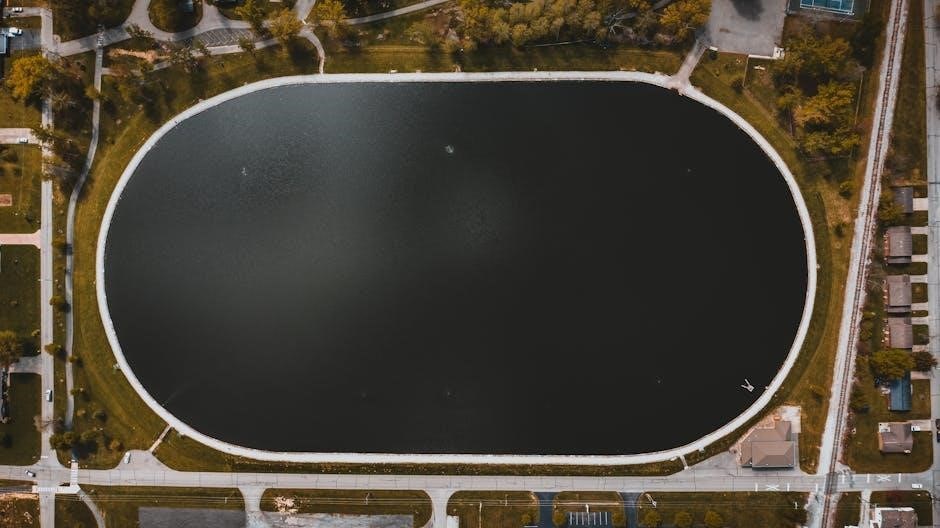
Retention ponds, detailed within the City of Columbus Stormwater Drainage Manual (SWDM), differ from detention basins by maintaining a permanent pool of water. This permanent pool provides water quality benefits through sedimentation and biological uptake of pollutants. They are designed to manage both stormwater quantity and quality, offering a multi-faceted approach to site drainage.
The SWDM outlines specific design requirements for retention ponds, including minimum pond volume, forebay design for sediment control, and outlet structure specifications. Careful consideration must be given to safety features, such as sloping side slopes and fencing, to prevent accidental access.
Regular maintenance, including aquatic vegetation management and sediment removal, is vital for optimal performance and aesthetic appeal. The SWDM provides comprehensive guidance on these practices.
Infiltration Practices
Infiltration practices, as defined in the City of Columbus Stormwater Drainage Manual (SWDM), aim to reduce stormwater runoff by allowing water to percolate into the ground. These practices mimic natural hydrological processes, recharging groundwater supplies and reducing the load on the city’s storm sewer system.
Acceptable infiltration techniques outlined in the SWDM include infiltration basins, infiltration trenches, and permeable pavements. Site suitability is crucial; soil type, depth to groundwater, and slope are key factors considered during design.
The SWDM details specific design criteria, including pre-treatment requirements to remove sediment and prevent clogging of the infiltration system. Regular inspection and maintenance, such as sediment removal and vegetation management, are essential for long-term functionality.
Variance Procedures
The City of Columbus allows three variance types from the SWDM, with a defined application process involving public notice and thorough review of each request.
Types of Variances Available
The City of Columbus recognizes that strict adherence to the Stormwater Drainage Manual (SWDM) may not always be feasible or practical for every development project. Therefore, the SWDM provides for three distinct types of variances to address specific circumstances.
These variance categories allow developers to request deviations from specific requirements when demonstrating undue hardship or when alternative approaches can achieve equivalent stormwater management outcomes. The first type addresses variances from specific design criteria within the manual. Secondly, developers can apply for waivers related to the implementation of specific Stormwater Control Practices (SCPs). Finally, a third variance type allows for adjustments to the required timing of stormwater control implementation.
Each variance request undergoes careful scrutiny to ensure it aligns with the overall goals of the SWDM – protecting water quality, managing stormwater quantity, and minimizing environmental impacts.
Application Process for Variances
To request a variance from the Columbus Stormwater Drainage Manual (SWDM), developers must initiate a formal application process. This begins with a comprehensive application form, detailing the specific variance sought and a thorough justification explaining why adherence to the SWDM’s standards presents an undue hardship.
Supporting documentation, including site plans, engineering calculations, and any relevant studies, is crucial for a successful application. The application is then submitted to the City for review by qualified stormwater management professionals. Following initial review, the City may request additional information or clarification from the applicant.
Applicants should be prepared to address any concerns raised during the review process and potentially modify their proposal to better align with the SWDM’s objectives.
Public Notice and Review of Variance Requests
A critical component of the variance process involves public notification and a period for public review. Once a variance request is deemed complete by the City of Columbus, a public notice is issued, informing nearby property owners and the general public about the proposed variance.
This notice details the nature of the variance, the location of the project, and instructions on how to submit comments or concerns. The public has a designated timeframe to review the request and provide feedback. All submitted comments are carefully considered by the City during its review process.
The City evaluates the variance request based on technical merit, potential impacts on downstream properties, and public input, ensuring a transparent and equitable decision-making process.
Manual Guidance and Support
Access the comprehensive SWDM guidance document online for detailed assistance. For specific questions regarding the manual or variance issues, contact Greg Fedner directly.
Additional resources are available for public utility contractors navigating the stormwater regulations.
Accessing the SWDM Guidance Document
The City of Columbus provides access to a detailed SWDM Guidance Document designed to assist developers, engineers, and contractors in understanding and implementing the requirements outlined within the Stormwater Drainage Manual;
Currently, please note that an updated SWDM Guidance Document is forthcoming, promising even clearer explanations and enhanced support for navigating the complexities of stormwater management.
While awaiting the updated version, users can find valuable information and clarification through the existing manual itself, alongside relevant city codes and standards. The document serves as a critical resource for ensuring compliance with NPDES requirements and local stormwater regulations.
Regularly check the official Columbus Water Power website for updates and the release of the new guidance document, ensuring you are utilizing the most current information available for your projects.
Contact Information for SWDM Questions (Greg Fedner)
For specific inquiries regarding the Columbus Stormwater Drainage Manual (SWDM), or for clarification on any aspect of its implementation, Greg Fedner serves as the primary point of contact within the City of Columbus.
He is readily available to address questions related to the manual itself, as well as issues pertaining to SWDM variances and the associated application processes. Don’t hesitate to reach out with your concerns.
You can contact Greg Fedner directly via email for detailed assistance. His expertise ensures developers and contractors receive accurate guidance, promoting compliance and successful project outcomes.
Utilizing this dedicated resource streamlines communication and facilitates a collaborative approach to stormwater management within the city. Remember to consult the SWDM and its forthcoming guidance document before contacting Greg.
Resources for Public Utility Contractors
Public utility contractors working within the City of Columbus must adhere to the standards outlined in the Stormwater Drainage Manual (SWDM). Accessing relevant resources is crucial for ensuring project compliance and minimizing potential delays.
The City provides a dedicated webpage containing the SWDM, fillable forms, and application documentation. This centralized location streamlines access to essential information needed for successful project execution.
Important Note: All easements required for stormwater management must be prepared and officially recorded by the City of Columbus. Contractors should not independently prepare these documents.
Familiarizing yourselves with the SWDM’s requirements regarding post-construction stormwater controls is vital. Proactive planning and adherence to these standards will contribute to efficient and environmentally responsible project completion.

Forms and Documentation
The City of Columbus provides fillable forms and comprehensive application documentation related to the Stormwater Drainage Manual (SWDM) for convenient use.
Remember, all easements must be prepared and officially recorded by the City, ensuring proper legal standing.
Fillable Forms
The City of Columbus recognizes the importance of streamlining the stormwater management process for developers and contractors alike. To facilitate this, a selection of fillable forms are readily available through the Stormwater Drainage Manual (SWDM) resources.
These digital forms are designed to be completed directly on your computer, eliminating the need for manual handwriting and simplifying the submission process. They cover various aspects of stormwater control, from initial project applications to specific variance requests.
Accessing these fillable forms ensures accuracy and consistency in the information provided, aiding in a more efficient review process by city officials. Regularly check the official Columbus Water Power website for the most up-to-date versions of these forms, as they may be subject to periodic revisions.
Utilizing these forms is a key step in achieving compliance with the SWDM and ensuring the responsible management of stormwater runoff within the City of Columbus.
Application Forms
The City of Columbus requires comprehensive application forms for all development and redevelopment projects impacting stormwater drainage. These forms are a critical component of the review process, ensuring projects adhere to the standards outlined in the Stormwater Drainage Manual (SWDM).
Application forms gather detailed information about the proposed project, including site plans, drainage calculations, proposed stormwater control practices (SCPs), and potential impacts on surrounding areas.
These forms are typically included within a larger document encompassing the entire application package. Developers should carefully review all instructions and requirements before completing the forms to avoid delays in the approval process.
Completed applications, along with supporting documentation, must be submitted to the designated city department for review. Accurate and thorough submissions are essential for a timely and successful project outcome.
Easement Requirements (City Prepared & Recorded)
The City of Columbus maintains strict requirements regarding easements related to stormwater infrastructure. It is crucial to understand that all easements pertaining to stormwater drainage must be prepared and recorded exclusively by the City itself – developer-prepared easements are not accepted.
This policy ensures consistent legal standards and protects the city’s stormwater management system. Easements grant the city necessary access for construction, inspection, and maintenance of stormwater facilities on private property.
Developers are responsible for coordinating with the city to initiate the easement preparation process. This involves providing accurate property information and collaborating on the easement’s legal description and terms.
The city’s legal department handles the drafting and recording of the easement document, guaranteeing compliance with all applicable laws and regulations. Remember, only city-prepared and recorded easements are legally valid.